
How to Clean Oil Paint Brushes Between Colors
The short answer
By Philip Fanara, oil painter · Updated November 8, 2026
Wipe, scrub, blot. Wipe the extra paint off on a paper towel, scrub the brush in odorless mineral spirits for a few seconds, then blot it on a cloth before you load the next color. If the blot doesn’t leave any color, the brush is ready.
At a glance
How long: a few seconds per color change. I scrub for about 3-4 seconds on the 4-Zone Brush Cleaner (other cleaners will likely take more time).
How often: between most color changes, and always when the next color needs to be exact. I clean brushes a total of 15-20 times in a typical painting session.
What to use: odorless mineral spirits (OMS). If you paint solvent-free, wipe the brush and use oil instead (see the FAQ).
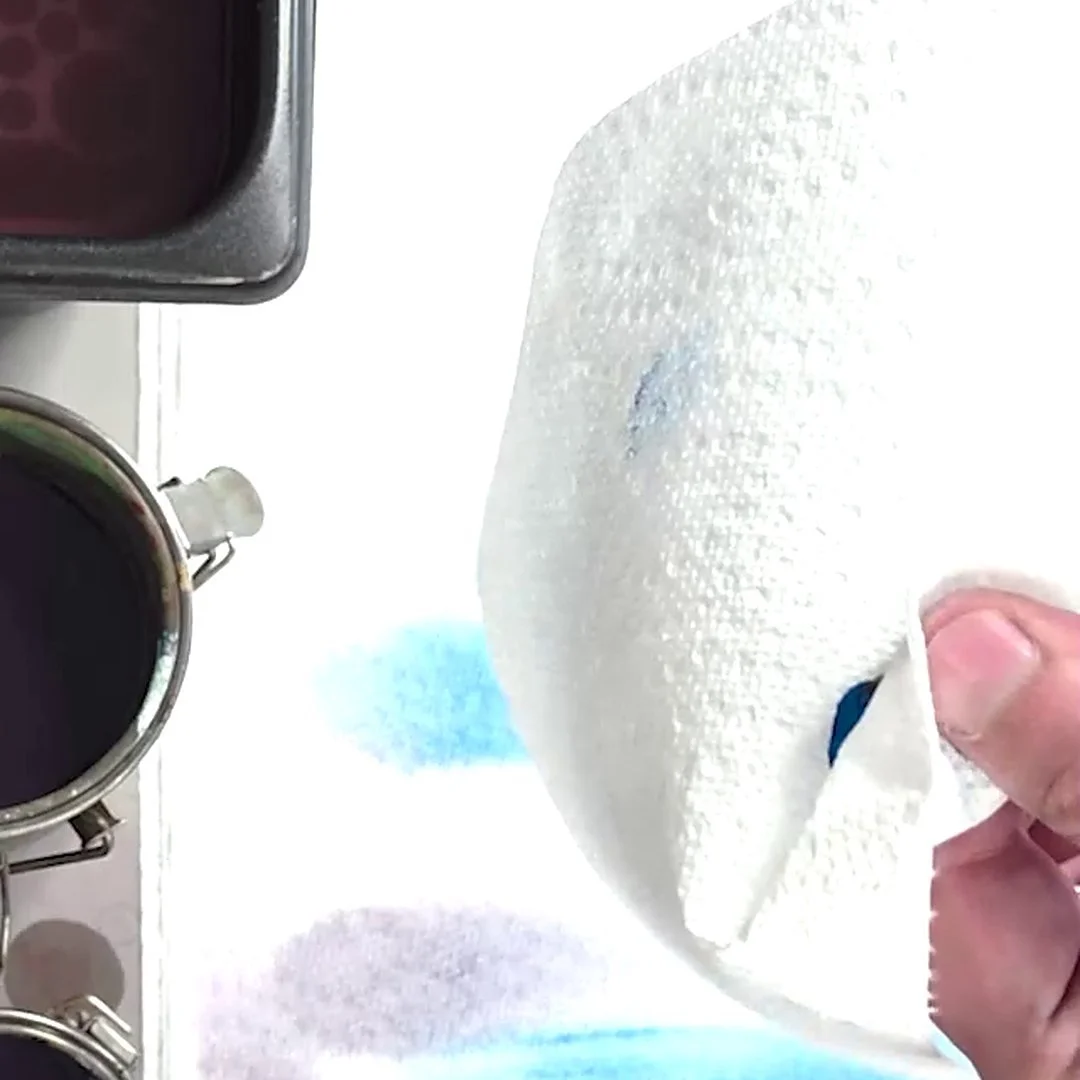
How to tell it's clean: wipe it on a paper towel. No paint color left on the towel means you're good.
How do you clean a brush between colors, step by step?
This works with any brush washer, or just a jar of solvent and a rag.
Wipe off the extra paint. Press and drag the brush across a paper towel or rag. Most of the paint comes off here, which keeps your solvent cleaner.
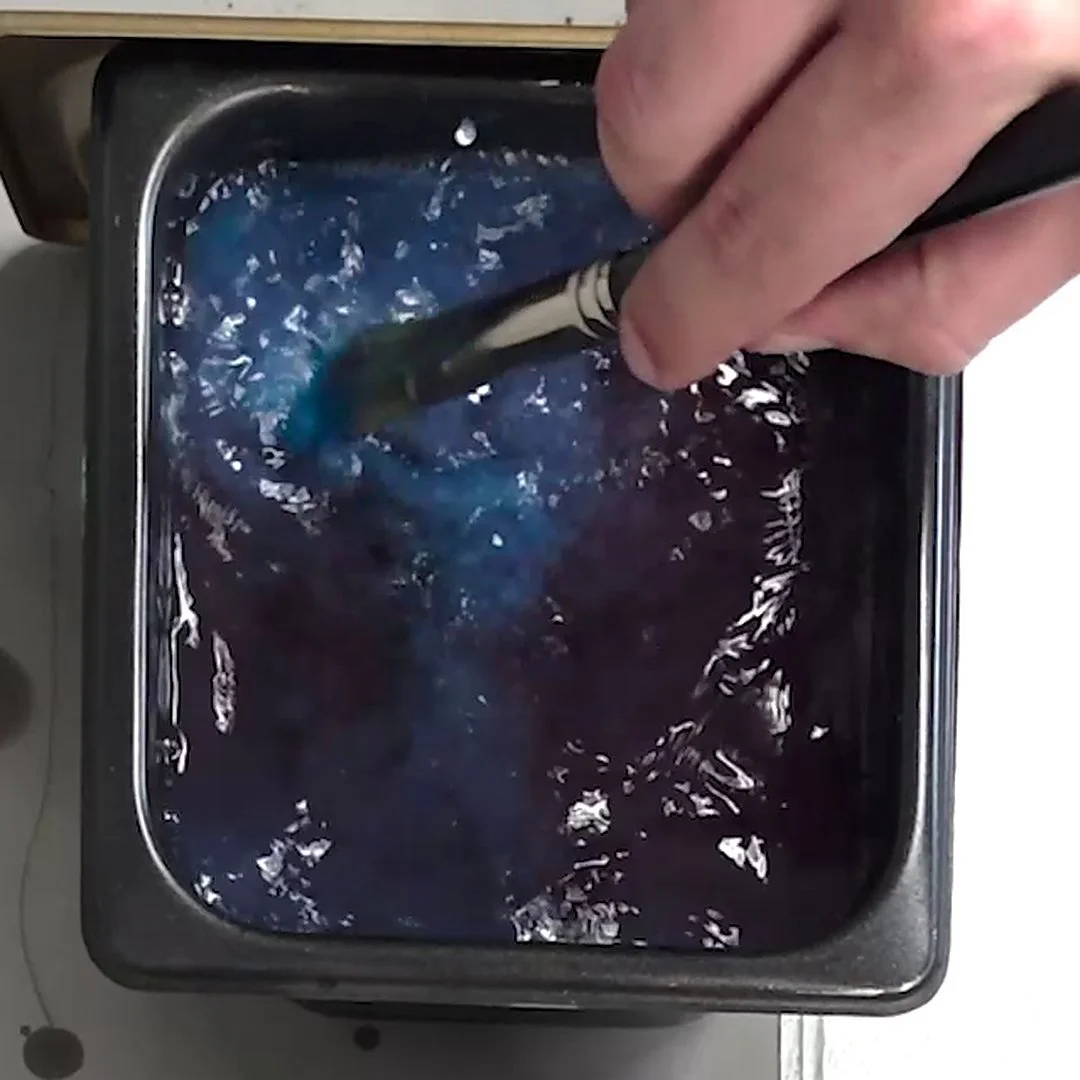
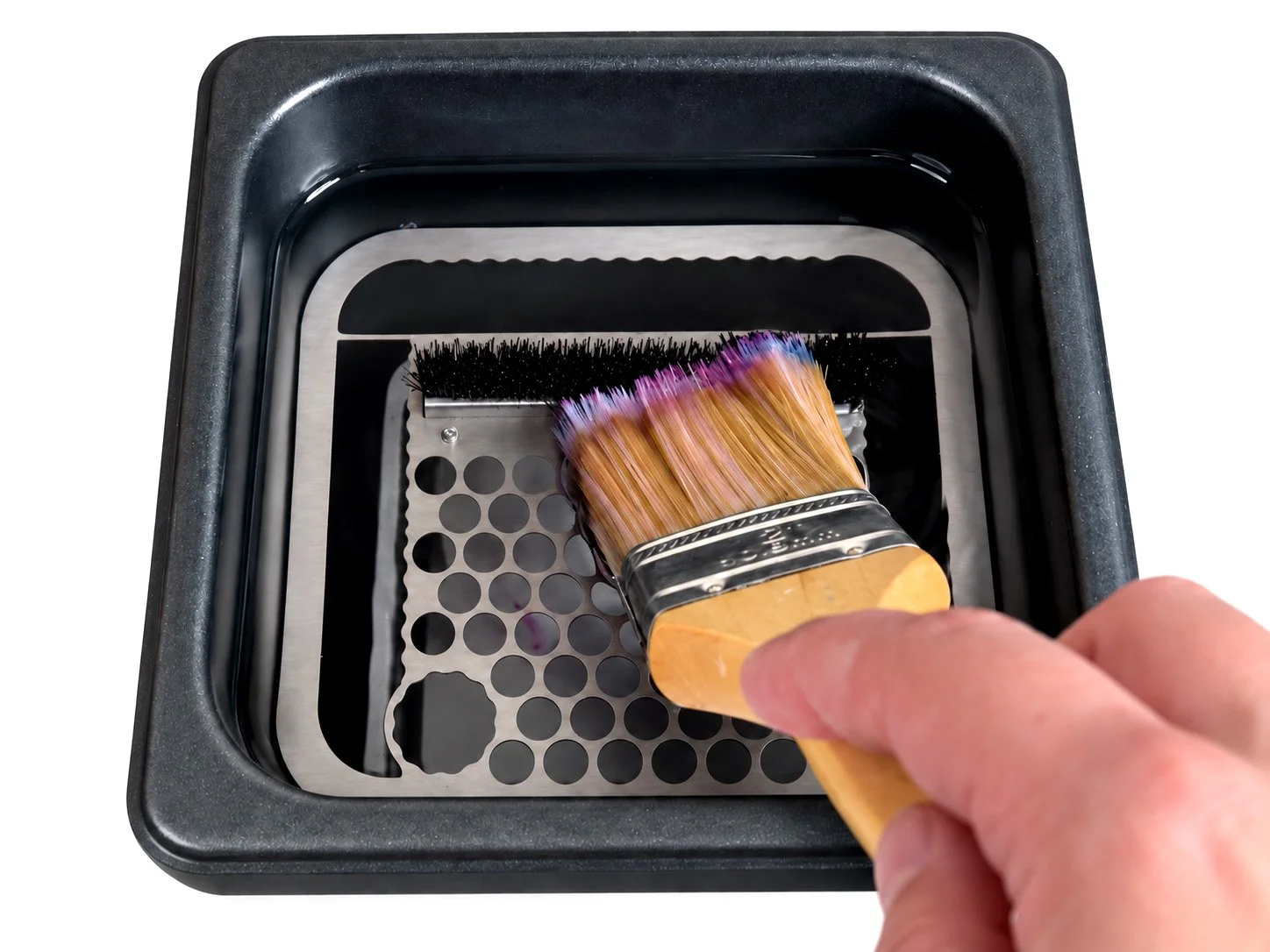
Scrub in odorless mineral spirits. Work the bristles back and forth against something textured (a coil, a screen or a row of ridges) for a few seconds. That pushes solvent into the middle of the brush, where the paint hides. I scrub for about 3-4 seconds per color change.
Blot out solvent. Blot the solvent out of the brush with a cloth or paper towel (I keep a microfiber cloth next to my palette) and reshape the tip if needed. Solvent left in the brush will thin out your next color so ensure you get it out.
Load the next color onto your brush. That's it.
How do you clean different kinds of brushes?
The steps are the same for every brush. What changes is how hard you scrub or the surface you wipe/scrub it on.
How do you clean hog bristle brushes?
Hog bristle is stiff and holds a lot of paint deep in the brush, up by the ferrule. Wipe firmly, scrub with firm strokes against a stiff surface, and give the base a few extra strokes.
How do you clean synthetic brushes?
Soft and medium synthetics let go of paint easily, but they can bend out of shape and need a softer surface than a stiff hog brush. Use moderate pressure against a softer surface, mostly on the side of the brush, and reshape the tip after you blot.
How do you clean sable and other soft natural-hair brushes?
These hairs are delicate, and scrubbing hard can break or splay them. Use gentle strokes on the side of the brush only, blot, and follow the brush maker's care instructions which generally involves no solvent and using oil or brush soap only.
How do you clean liners and riggers?
Thin brushes bend easily. Give them a gentle swish in OMS and then lightly pull the brush through a paper towel or microfiber cloth to remove solvent.
How do you clean large brushes?
Big flats, 2 inches wide or more, hold a lot of paint and don't fit in most small jar washers. If you scrub them hard in a small jar, you’ll splash solvent everywhere and still leave paint in the middle of the brush. Use a container wide enough for the whole brush and a stiffer surface meant to remove oil paint from bristles, wipe firmly first, and give it extra strokes.
Why does the old color keep coming back?
You'll know a brush wasn't fully clean when a streak of the old color slides out onto your canvas in the middle of a stroke. For example if you're painting an orange passage after previously having blue on your brush, and you happen to press a little harder and a streak of blue suddenly shows up on the canvas in the middle of your orange.
In addition, leftover paint dulls and muddies your mixes, and it gets worse the more colors you use in a session. It's usually one of these occurences:
Paint near the ferrule. Paint works its way up to the base of the bristles, next to the ferrule (the metal band). This is the danger zone because paint is difficult to remove the closer it is to the ferrule, and on round brushes it can splay the bristles. Prevention is the best fix here: load paint toward the tip and keep it away from the ferrule. If it gets up there, wipe your brush with extra strokes against a firm surface, squeeze and drag the brush firmly against a paper towel or cloth to pull the paint away from the ferrule. If it's bad, wash that brush with brush soap and warm water at the end of the session, working the soap into the base with your fingers. Do not let paint dry close by the ferrule.
Clumped bristles. Wet bristles pull together into clumps as they come out of a liquid. Physicists have traced this to capillary forces (Bico et al., Nature, 2004). Paint stuck inside a wet clump stays there unless you flex the brush against a surface to open it back up.
Dirty solvent. Every color you rinse out stays in the solvent until it settles. Settling speed goes up with the square of a particle's size (Stokes's law, Britannica), so fine pigment settles much more slowly and keeps the solvent cloudy longer. If your brush sits in cloudy solvent or drags through sludge, it picks old pigment back up. Clean above the settled layer, and change the solvent when it stays cloudy.
Strong, staining colors. Pigments with high tinting strength show up even in tiny amounts. The hardest one for me to get out of a brush is Michael Harding's Bright Yellow Lake, a transparent organic yellow (Hansa Yellow 10G, PY3). Phthalo blue is a close second because it spreads into everything, and phthalo green and Prussian blue act the same way. Clean more carefully after these, especially before white or light mixes.
Do you need to clean between every color?
Not necessarily. In a typical session I clean 15-20 times across about five brushes. I start with a large flat or round to block in the composition and move to smaller brushes as the painting comes into focus. That keeps the early stages loose and saves the tight work for the focal point. How strictly I clean depends on what I'm painting:
Landscapes and loose passages. Going from a green to a yellow-green for grass, I'll often go straight to the yellow. A little mixing adds interest and looks right for light hitting grass.
Portraits, figures and fine detail. When a color has to be exact, I clean every time.
Fast-drying and resin mediums. When I'm using Galkyd, Liquin Fine Detail or Michael Harding's PM5 or PM6 glaze mediums, I clean no matter what color is next so the medium doesn't get tacky in the bristles.
How did five brush washers compare in my test?
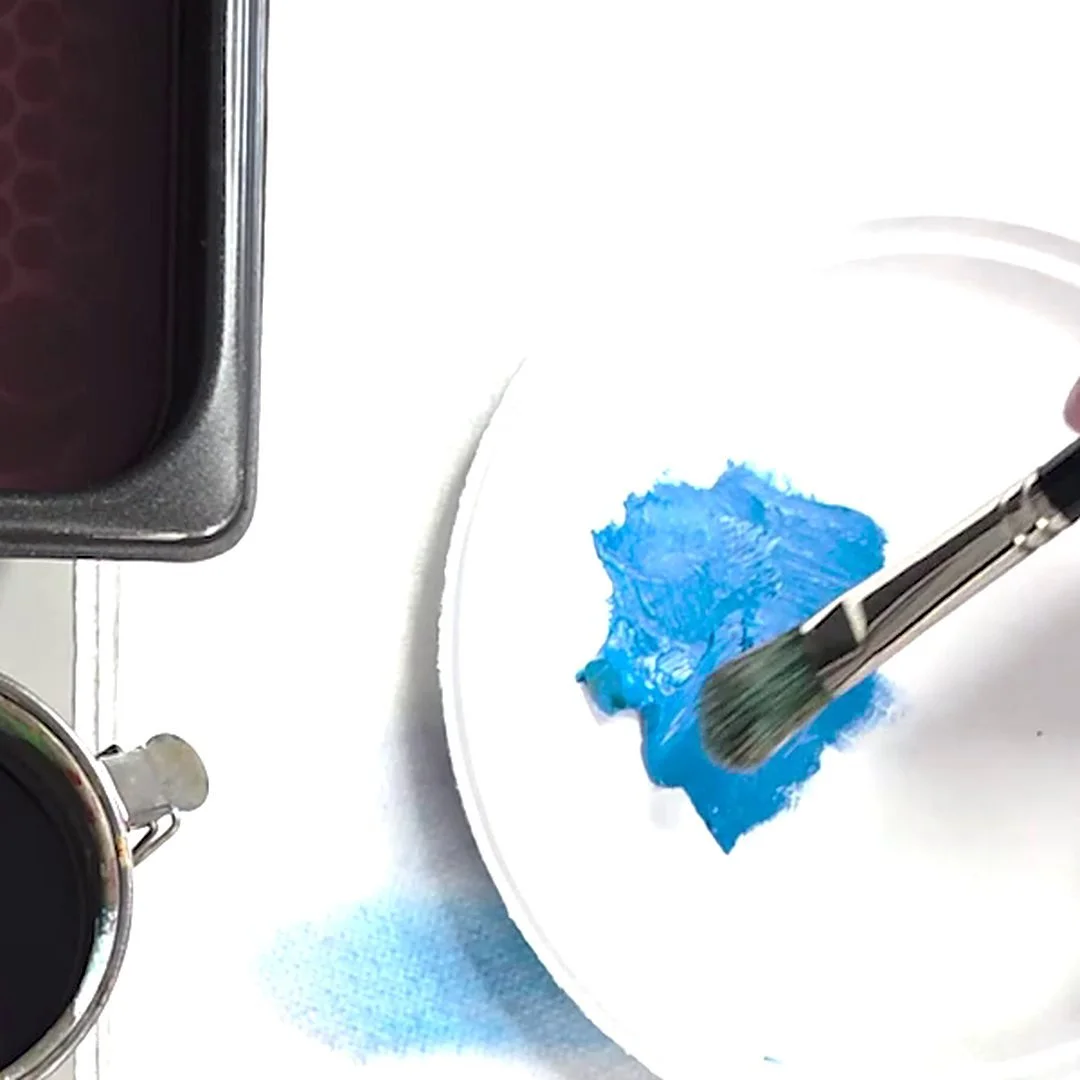
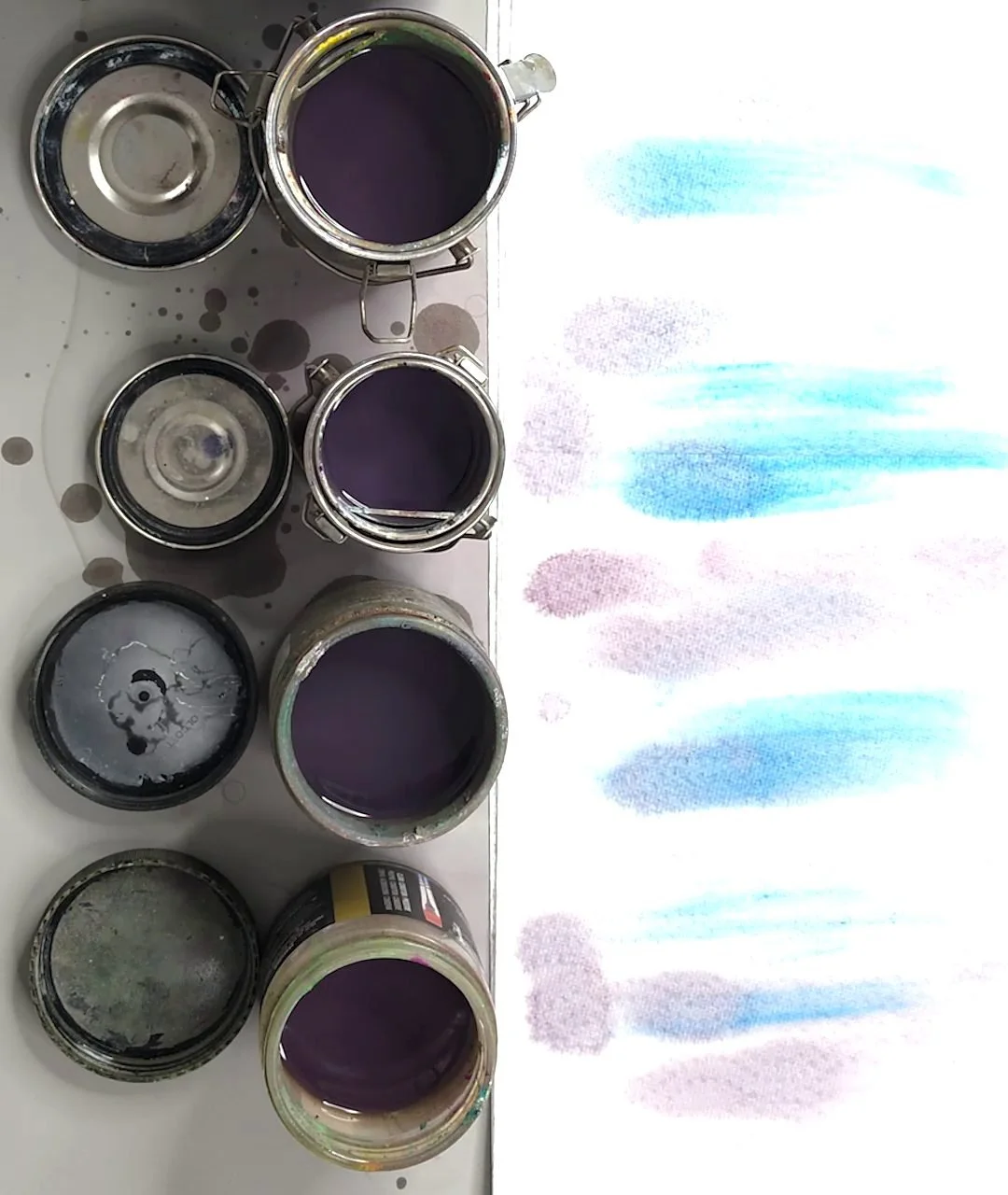
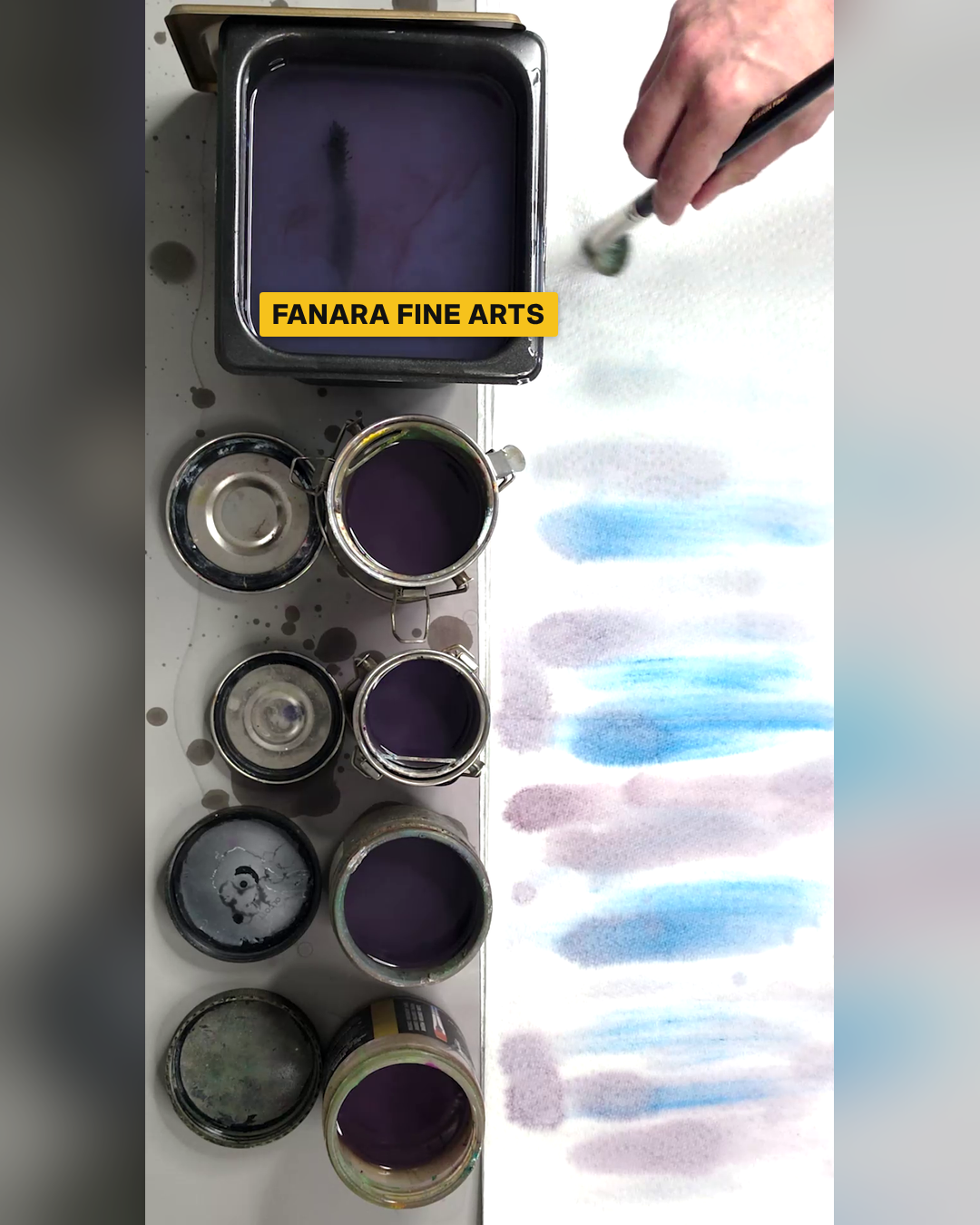
I filmed five washers cleaning the same brush and blue paint: a Mona Lisa tank, a Silicoil jar, a small and a large metal washer, and the 4-Zone, which I make.
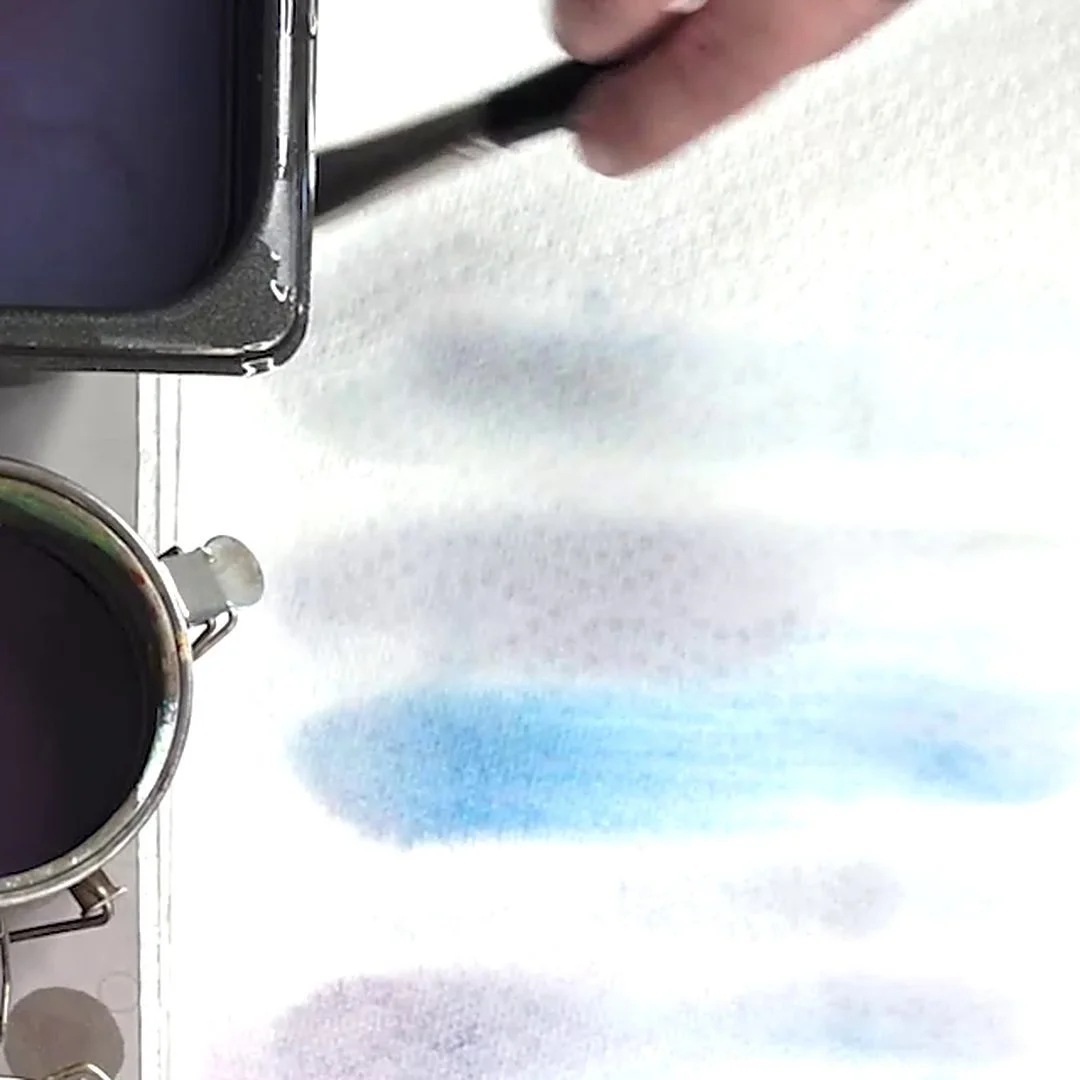
The 4-Zone's first towel wipe showed no visible paint after one round, about 5 seconds of scrubbing. The other four left visible blue after their first round (4.0-4.6 seconds), and even after 9-12 seconds of total scrubbing over three or four rounds, their wipes were still showing purple pigment. In other words, the other four got about twice the scrubbing time or more and still weren’t wiping clean.
The video shows one run per washer, with one brush and one paint, in previously used solvent. I’ve run the same test other times, some on camera and some not, and the results were the same. The full comparison has the uncut video, the frame-by-frame times, my measurements of each washer, the test conditions and the limits.
What's the best brush washer for oil painting?
The answer depends on how often you change colors and where you paint.
The 4-Zone is a good fit if you:
paint in studio and clean between colors
use odorless mineral spirits
use a mix of brushes, from soft synthetics to stiff, paint-loaded hog bristle
use big brushes (I clean a 2-inch flat in mine regularly)
want something that looks good next to your easel
Something else will work better if you:
paint outdoors or travel with your kit (the 4-Zone's lid fits close but isn't sealed, so don't carry it around filled)
paint solvent-free or with water-mixable oils (the 4-Zone is made for odorless mineral spirits only)
are on a tight budget (a jar and a rag still work if you change the solvent often and don’t mind extra scrubbing)
How should you clean brushes at the end of a session?
Finish the same way you clean between colors: wipe, scrub in solvent, blot solvent off. Lay the brushes flat to dry, which is the safest way, and never rest them on their bristles. I dry mine bristles up only because I blot the solvent out first, so almost none can run down into the ferrule.
Then I scrape the wet paint off my glass palette with a large palette knife, spray OMS onto my palette (using an OMS-compliant spray bottle), and wipe the remaining paint off with a paper towel. The end-of-session process takes about three minutes. It’s quick and easy, and that's my whole end-of-day routine.
Brush makers' care advice varies, so follow the instructions that came with your brushes.
As for my own brushes, I don't wash them with soap and water every day because that means walking downstairs to the sink with my brushes and Masters Brush Soap to scrub the brushes by hand. However I do perform this thorough cleaning and conditioning every 3-6 months on my most used brushes which takes about 20 minutes.
What brush-cleaning mistakes do beginners make?
Most of the brush problems I see come from cleaning feeling like a chore, so it gets put off or rushed.
Putting off cleaning. This is the worst habit, and I was guilty of it for years because my brush cleaning process took too long and wasn’t even very effective. Paint left in a brush overnight sets in the bristles. Paint that dries inside the ferrule forces the hairs apart and locks them into a splayed shape, and brush maker Trekell says that usually can't be fully undone (Trekell). I've never found a reliable fix either. Small dried clumps also break loose later and smear into your next color or onto the painting which causes unattractive little bumps on your painting.
Not cleaning thoroughly. Just quickly swishing brushes in solvent leaves paint in the middle of the bristles, and the brush dries stiff. Wipe until the towel stays clean.
Leaving brushes standing in solvent. Long soaks in solvent can weaken the ferrule and loosen bristles. Clean, blot, and take the brush out.
How do you handle solvent and oily rags safely?
Follow the label and safety data sheet for your solvent, and pay attention to three things: air, used solvent, and rags.
Keep the air moving. Gamblin says normal air circulation is usually enough for its oil painting materials, and notes that environmental hygienists recommend changing studio air ten times an hour. To move more air, open a window and put a fan in it blowing out (Gamblin, Studio Safety).
Reuse solvent, and never pour it down the drain. "Gamsol will clear as pigments settle to the bottom of the container," Gamblin explains. Pour the clear solvent into a separate container and use it again. Gamblin also notes you can mix the settled sediment with linseed oil or medium and paint with it (Gamblin, Studio Safety) although I personally would not do this because I prefer predictable, clean colors. If your washer has a built-in sediment tray, follow the maker's instructions for changing the solvent instead. For anything you throw away, follow your local hazardous-waste rules.
Never leave oily rags in a pile. "As the rags dry, the heat is trapped," the NFPA warns, and an average of 800 US home fires a year start when oily rags catch fire. Spread or hang rags outdoors to dry, then store them in a metal container with a tight lid, covered with water and detergent, away from heat. Check your town's disposal rules (NFPA oily rags tip sheet, via Montgomery County Fire and Rescue).
Frequently asked questions
How often should I clean my brush between colors?
Between most color changes. Always clean when the next color needs to be exact, after strong staining colors, and every 10-15 minutes when you're using a fast-drying medium.
How long should cleaning between colors take?
Just a few seconds once you have a routine. I scrub for about 3-4 seconds, then blot out solvent.
Can I clean oil paint brushes with water?
Not between colors. Water doesn't dissolve oil paint, so use odorless mineral spirits or oil. Soap and water are fine for an occasional deep clean once most of the paint is out. The exception is water-mixable oils, which are made to clean up with water.
What should I use to clean oil brushes between colors?
Odorless mineral spirits. I use Gamsol day to day because the fumes are less noticeable. Gamblin says Gamsol evaporates slowly, has a high flash point and contains no Hazardous Air Pollutants (Gamblin).
Can I reuse mineral spirits?
Yes. Let the pigment settle, then pour the clear solvent into a clean container and use it again (Gamblin).
How often should I change the solvent in my brush washer?
It depends on how much you paint and how your washer handles sediment. Change it when the solvent stays cloudy after sitting, or when old color keeps showing up on your towel wipes. My studio washer holds about half a gallon, and I change it two or three times a year.
How do I clean the sludge out of a brush washer?
Pour off the clear solvent to reuse or dump it out, and then wipe the sludge out with paper towels. Gamblin notes you can mix that sediment with linseed oil or medium and paint with it (Gamblin). Otherwise, get rid of it under your local hazardous-waste rules. Treat the used towels like oily rags (see the safety section above). If your washer has a lift-out sediment tray, follow the maker's instructions for emptying it.
How long does it take pigment to settle out of mineral spirits?
Coarse, heavy pigments drop out within hours, but the finest ones can stay suspended for days, because settling speed goes up with the square of particle size (Stokes's law, Britannica). In my studio washer, the solvent at the top is completely clear about three days after a session. Note that does not mean you can’t clean your brushes in cloudy OMS though. As long as your paint brush cleaner has enough surface area to adequately disperse the pigment throughout the OMS then your brush won’t pick up this dirty solvent to make any noticeable difference, as well as using a paint brush cleaner designed in a manner where sediment doesn’t collect on the same surface you’re cleaning your brush on.
What's the difference between coil, screen and plate brush washers?
They differ in what you scrub against and how far it sits above the settled paint. A coil washer, like the Silicoil, has a smooth metal coil, about 2 inches tall, in the bottom of a jar. Speedball designs it to open and separate the hairs without damaging them, but it isn't designed to be removed, and paint settles to the bottom of the jar around it (Speedball). A screen washer, like the Mona Lisa tank, has a domed wire screen that peaks about 1.5 inches above the bottom. A plate washer has a flat perforated plate. In the two I own, it sits 1.25 and 2.5 inches above the bottom. In my experience, coils, screens and flat plates mostly clean the outside of the brush rather than between the bristles, and a wire screen can be rough on soft hair. Whatever type you use, the more solvent it holds and the higher the scrubbing surface sits above the bottom, the longer you can clean before you're scrubbing in old paint.
Why do my colors keep getting muddy?
Usually it's paint left near the ferrule, dirty solvent putting old pigment back on the brush, or a strong staining color. See "Why does the old color keep coming back?" above.
Why are my oil brushes getting stiff?
Usually paint got left in the middle of the bristles or up near the ferrule and dried there. A quick swish only cleans the outside. Wipe until the towel stays clean, give it extra strokes, and if paint has built up near the ferrule, wash the brush with brush soap and warm water at the end of the session. My own brushes got stiff this way before I changed my cleaning setup.
Is it bad to leave brushes standing in solvent?
Yes. Long soaks can weaken the ferrule and loosen bristles, and Trekell notes that a brush left standing in a jar bends its bristles and lets pigment settle into the ferrule (Trekell). Clean the brush, blot it and take it out.
Can I clean between colors without solvent?
Yes. Wipe the brush on a rag, dip it in a drying oil like safflower and wipe again, and repeat until the oil wipes off clean (Gamblin; Golden's Just Paint). Just Paint advises using an oil without added vitamin E. It's slower than solvent and leaves oil in the brush.
How do I clean brushes between colors when painting outdoors?
Bring a small brush washer with a lid that seals and plenty of paper towels. Wipe firmly before each dip so the solvent stays cleaner longer. Seal the washer before you pack up, and handle used towels as in the oily-rag steps above.
Is an expensive brush washer worth it?
If you only clean once at the end of the day and don’t mind spending extra time to thoroughly clean with soap and water, a jar and a rag are enough. If you clean a lot during a session, how well the washer cleans really adds up because paint left in the middle of the bristles is what makes brushes stiff. Before I switched washers, my brushes would get crusty within a few weeks to a few months of heavy use because the cheaper washers I used weren’t getting the paint out of the inside of my brushes. Now my brushes stay soft with a wash in brush soap every three to six months.
About the 4-Zone
I built the Fanara Fine Arts 4-Zone Oil Paint Brush Cleaner for my own studio, so cleaning between colors takes seconds and never pulls me away from the easel.
Before the 4-Zone, I used a Silicoil jar and a Mona Lisa tank. My brushes kept drying with paint left in the middle of the bristles, and they'd get crusty within a few weeks to a few months of heavy use. Those small washers kept the dirty solvent right where I was scrubbing. A 2-inch flat was close to impossible to clean in them. It didn't fit, and scrubbing hard just splashed solvent around. Cleaning took so long that I put it off. Now I can clean 15-20 times a session, change the solvent two or three times a year, finish the day without going to the sink, and my brushes stay soft.
What it is: a lidded stainless-steel brush-cleaning station, about 7 x 6.5 x 6 inches, with an oil-rubbed bronze finish
Solvent: artist-grade odorless mineral spirits only (not included). It takes about half a gallon to fill it to the tops of the bristles and lasts 3-6 months before cleaning is required (and you can reuse most of the solvent by decanting the clean solvent into another container).
Brushes: four cleaning zones on a removable deck, for everything from soft and medium synthetics to stiff, paint-loaded hog bristles.
Sediment: the deck sits 3.25 inches above the bottom (the other four washers I measured scrub at 1.25-2.5 inches), so paint settles below the cleaning area into a lift-out tray. At my heaviest use, about half an inch of sludge builds up in the tray over three months. The top is completely clear about three days after a session, but I keep cleaning while it's still cloudy and don't see it carry over into my next color.
Lid: fits close but isn't sealed, so it's for a fixed studio spot, not travel. With the lid on, I've left solvent in mine for over a year and the level didn't drop.
Made: assembled and finished by hand in Baton Rouge, Louisiana
Price: $79.95 with free shipping in the contiguous US and 30-day returns
If you already own one, the Setup & Care guide covers filling, full solvent changes and the sediment tray.
Questions about cleaning brushes, with or without my cleaner? Email me at philip@fanarafinearts.com.

About the author
Philip Fanara is an oil painter in Baton Rouge, Louisiana. He's painted in oil for seven years, learning from working painters' teaching, old-master art history and pigment science, and he paints Southern landscapes, portraits, still lifes and nostalgic Americana. By day he's a senior manager of data analytics, and he brings the same fact-based approach to his studio tools. He's the founder of Fanara Fine Arts, where he sells his original oil paintings. He designed the Fanara Fine Arts 4-Zone Oil Paint Brush Cleaner for his own studio, refined it through prototypes in his own painting sessions, and sells it, so read his comparison with that in mind and judge the uncut video for yourself.


Sources
Gamblin Artists Colors, Studio Safety: ventilation, reusing Gamsol, sediment, rags and solvent-free cleaning
Golden Artist Colors, Just Paint: Cleaning Brushes Without Solvents: the oil method
Trekell, Brush Care Habits That Actually Make a Difference: paint in the ferrule, soaking, drying
Bico, Roman, Moulin and Boudaoud, "Elastocapillary coalescence in wet hair," Nature 432, 690 (2004): why wet bristles clump
Encyclopædia Britannica, Stokes's law: why fine pigment settles slowly
NFPA, Oily Rags Safety tip sheet (via Montgomery County Fire and Rescue): rag fires and storage
Fanara Fine Arts, brush washer comparison: the filmed test, its conditions and limits
Speedball, Silicoil Brush Cleaning Tank: how the coil and jar are cleaned